Why Does Your Right Shoulder Throb After Gallbladder Surgery? Solving CO2 Gas Pain, Safe Sleep Positions & Stopping Sudden Diarrhea
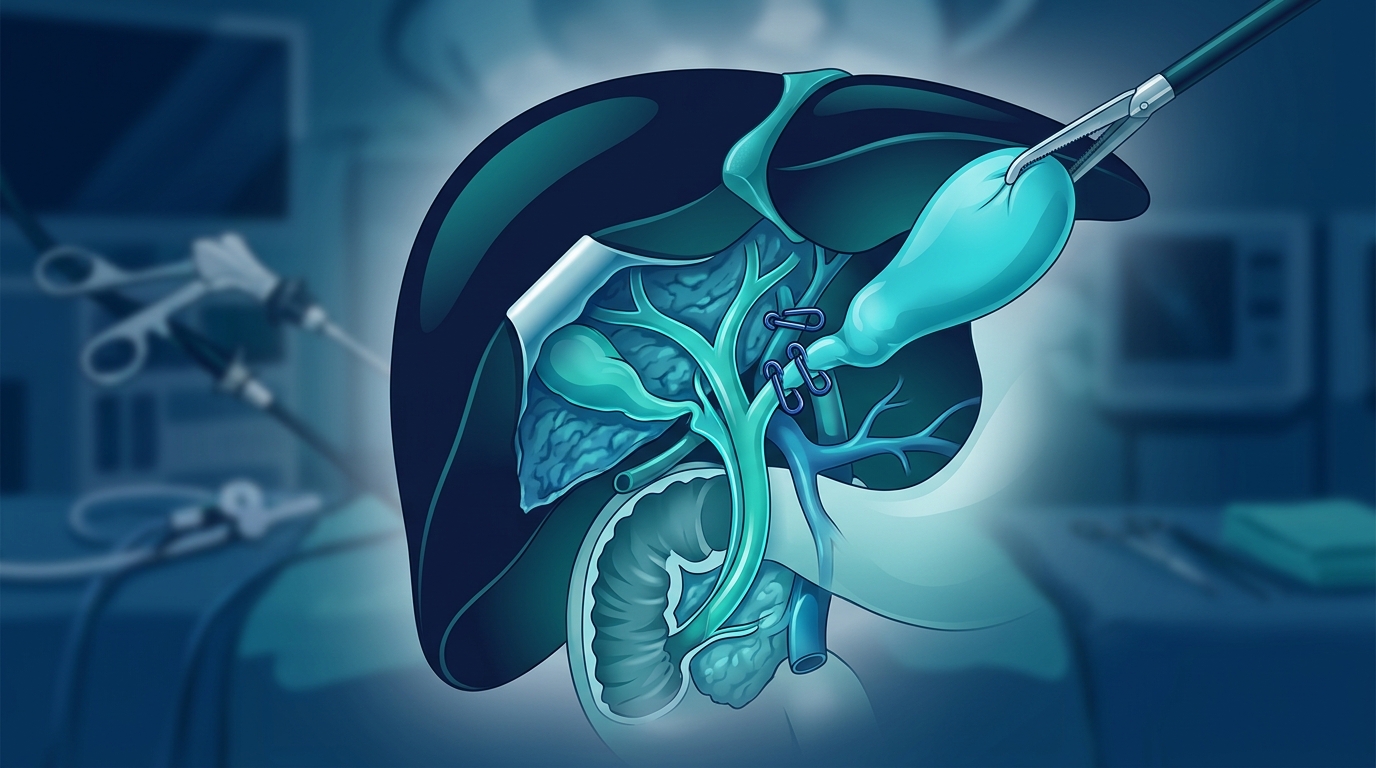
Severe right shoulder pain after gallbladder removal is referred pain caused by residual carbon dioxide (CO2) gas irritating the diaphragm and phrenic nerve (C3–C5 dermatomes); it is completely harmless and resolves in 48 to 72 hours with walking and heat. For sleeping, use an orthopedic wedge pillow to sleep on your back (30°–45° angle) to protect healing liver bed clips and subcostal trocar incisions. Post-op bile diarrhea occurs in 10–20% of patients and is controlled through fat fractionation (<10-15g per meal), soluble psyllium fiber, and avoiding large single-bolus lipid meals.
The Post-Cholecystectomy Paradox: Why Does My Neck and Shoulder Hurt More Than My Belly?
Every year in the United States, over 750,000 Americans undergo laparoscopic cholecystectomy (gallbladder removal), making it one of the most frequently performed abdominal surgeries in modern medicine [PMID: 20706739]. Most patients arrive at the hospital expecting their incisions to ache.
Yet, within 24 hours of arriving home, thousands of patients experience an agonizing, sharp, throbbing ache radiating across their right clavicle, neck, and shoulder blade. Many worry they are suffering a blood clot, heart issue, or surgical disaster. As a practicing laparoscopic surgeon, I reassure my patients that this is a predictable, well-documented neurological reflex known as referred phrenic neuropraxia.
The Neuroanatomy of Laparoscopic Gas Pain: The C3–C5 Highway
To perform safe laparoscopic surgery with millimeter precision, surgeons must create an artificial optical space inside your abdomen. We gently insufflate the peritoneal cavity with medical-grade carbon dioxide (CO2) gas, expanding the abdominal dome at a regulated pressure of 12 to 15 mmHg.
While surgeons evacuate as much gas as possible at the conclusion of the case, tiny microscopic pockets of residual CO2 remain trapped under the dome of your right hemidiaphragm. Here is how that gas turns into shoulder agony:
- Carbonic Acid Formation: Trapped carbon dioxide reacts chemically with peritoneal moisture ($CO_2 + H_2O \rightarrow H_2CO_3$), forming weak carbonic acid that lowers localized peritoneal pH and irritates sensory nerve endings on the inferior surface of the diaphragm [PMID: 9449557].
- The Phrenic Nerve Signal: The sensory innervation of the diaphragm is carried entirely by the phrenic nerve, which originates from the third, fourth, and fifth cervical spinal cord nerve roots (mnemonic: "C3, 4, and 5 keep the diaphragm alive").
- Sensory Cross-Talk in the Spinal Cord: The same cervical spinal segments (C3 and C4) receive cutaneous sensory signals from the supraclavicular nerves that supply sensation to your right shoulder tip and neck. When intense irritation signals from the diaphragm bombard the spinal cord, your brain’s sensory cortex cannot differentiate the source and misinterprets the visceral pain as an acute muscular ache in the right shoulder!
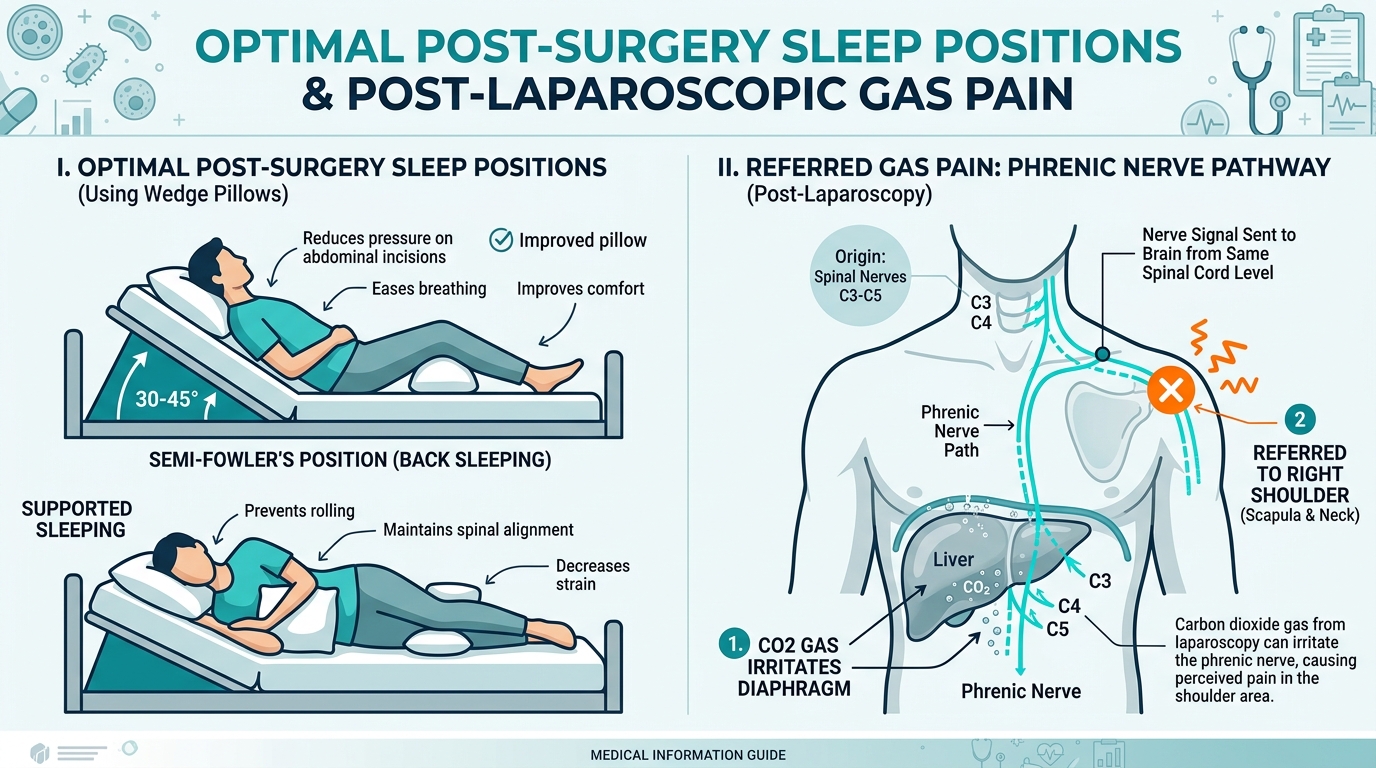
Figure 1: Comprehensive clinical guide to sleep ergonomics and the neuroanatomical phrenic nerve pathway causing referred shoulder pain.
Surgeon-Approved Protocol: How to Expel Trapped CO2 Gas Fast
Standard over-the-counter oral pain relievers (like ibuprofen or acetaminophen) often fail to relieve shoulder gas pain because the origin is neurological and chemical. To accelerate recovery:
- Early, Frequent Flat Ambulation: Do not remain sedentary in bed. Walking for 5 to 10 minutes every hour while awake stimulates systemic venous circulation, accelerating the reabsorption of peritoneal CO2 into your bloodstream, where it travels to your lungs and is naturally exhaled [PMID: 25157147].
- Local Dry Heat Application: Place a heating pad or warm towel directly over your right shoulder and neck for 15 to 20 minutes every 2 hours. Localized heat causes peripheral vasodilation and activates descending sensory inhibitory pathways, blocking pain signaling to the brain.
- Trendelenburg Posture Shift: Lie flat on a firm sofa or bed with two pillows stacked under your hips and pelvis for 15 minutes. Elevating your pelvis allows trapped gas pockets to migrate away from the sensitive diaphragm downward into the broad pelvic cavity, providing immediate diaphragmatic relief.
- Peppermint Tea & Simethicone: Drinking warm peppermint tea relaxes gastrointestinal smooth muscle and soothes co-existing intestinal bloating, reducing overall abdominal wall tension.
Sleep Positions: How to Sleep Without Damaging Your Liver Bed
Finding a painless sleeping position during the first 7 to 10 days post-cholecystectomy is a major challenge. The liver bed contains titanium surgical clips securing the cystic artery and cystic duct, and the right subcostal trocar incisions are tender. Refer to Figure 1 for visual guidance:
1. Semi-Fowler’s Position (The Gold Standard: Days 1 to 7)
Sleep on your back with your upper torso elevated at an angle of 30 to 45 degrees using an orthopedic wedge pillow or stacked bed pillows. Place a rolled pillow under your knees. This accomplishes three vital surgical goals:
- It keeps your abdominal wall slack and relaxed, eliminating tension on the umbilical and epigastric fascial closures.
- It promotes natural diaphragm descent, easing spontaneous respiration and preventing post-anesthesia lung atelectasis.
- It prevents trapped carbon dioxide from compressing the anterior peritoneum.
2. Left-Lateral Decubitus (Left Side Sleeping: Safe After Day 3)
If you are an exclusive side-sleeper, you may transition to your left side starting on Day 3 or 4:
- Place a firm contour pillow between your knees to keep your pelvis and lumbar spine aligned.
- Hug a medium-sized throw pillow firmly against your abdomen. This creates external splinting support, preventing your healing viscera from pulling toward the mattress as you breathe.
3. Forbidden Positions: Right-Side and Stomach Sleeping
- Right-Side Sleeping (Avoid for 10–14 Days): Gravity forces the weight of your liver directly against the gallbladder fossa, compressing fresh surgical clips and aggravating right flank trocar sites.
- Prone Sleeping on Your Stomach (Avoid for 3–4 Weeks): Placing your entire body weight on your belly creates severe hydraulic compression, straining the deep fascial sutures at the umbilicus and multiplying your risk of developing a postoperative incisional hernia [PMID: 14501505].
The Biliary Dump: Why Do You Get Chronic Diarrhea After Surgery?
To understand post-cholecystectomy diarrhea, you must understand what your gallbladder actually did. Your liver continuously synthesizes approximately 800 to 1,000 milliliters of bile every single day. Before surgery, the gallbladder acted as a storage reservoir, concentrating this bile up to tenfold and storing it until you ate a fatty meal. When food entered your stomach, the hormone cholecystokinin (CCK) triggered the gallbladder to contract, delivering a concentrated squirt of bile to emulsify fats.
Without a gallbladder, you lose the storage tank. The liver continues manufacturing bile at the same continuous rate, but now bile constantly drips, drop by drop, into your duodenum—whether you are eating a cheeseburger or sleeping at 3:00 AM!
When you eat a large fatty meal, there is no concentrated bile reserve to digest it. Undigested fats and excessive quantities of unconcentrated bile salts travel downstream through the small intestine. When they exceed the active absorption capacity of your terminal ileum, they spill directly into the large colon. In the colon, unabsorbed dihydroxy bile acids stimulate mucosal adenylate cyclase, triggering massive water and sodium secretion—resulting in explosive, watery, yellow-orange choleretic enteropathy (bile acid diarrhea) [PMID: 1381148].
The Surgeon's 3-Step Dietary Protocol to Control Loose Stools
Step 1: Fat Fractionation (The 15-Gram Rule)
During Weeks 1 through 4, do not consume more than 10 to 15 grams of total fat in a single meal. Instead of eating three large meals a day, divide your nutritional intake into 5 or 6 small mini-meals. This allows your continuous, low-volume liver bile flow to easily digest the fat without overwhelming your digestive tract. Avoid fried foods, heavy cream, sausage, pizza, and rich sauces.
Step 2: Soluble Fiber Titration (The Sponge Effect)
Insoluble fiber (like raw celery or bran flakes) speeds up digestion and can worsen diarrhea. Conversely, soluble fiber (psyllium husk, oatmeal, pectin, barley, and peeled apples) acts as a physical sponge in your gut:
- It absorbs excess water from liquid stool, forming a formed, gel-like bolus.
- Crucially, soluble fiber binds directly to unconjugated bile acids, neutralizing their chemical ability to irritate the colon wall [PMID: 10448775].
- Take 5 to 7 grams of unflavored psyllium husk (Metamucil or generic) with breakfast and dinner.
Step 3: Pharmacologic Bile Acid Sequestrants
Approximately 5% to 12% of patients suffer from chronic post-cholecystectomy diarrhea that persists for longer than 6 to 8 weeks despite strict dietary discipline. In these cases, your physician can prescribe a bile acid sequestrant:
- Cholestyramine (Questran powder): Taken once or twice daily; completely binds bile salts in the intestinal lumen and eliminates diarrhea within 24 to 48 hours [PMID: 25488448].
- Colestipol (Colestid) or Colesevelam (Welchol): Tablet formulations for patients who dislike drinking powdered resins.
Recovery Milestones: Normal Healing vs. Secondary Complications
| Post-Op Day | Expected Physiological Symptoms | Warning Signs of True Complication | Underlying Pathology |
|---|---|---|---|
| Days 1 – 2 | Right shoulder ache, throat irritation from endotracheal tube, mild nausea, port-site bruising. | Intractable vomiting, inability to retain oral fluids, shortness of breath, rigid abdomen. | Normal CO2 resorption vs. severe ileus or occult diaphragm perforation. |
| Days 3 – 5 | Shoulder gas resolves; appetite returns; first soft bowel movement; incisions feel tight/itchy. | Spiking fever >101.0°F, yellowing of eyes (scleral icterus), dark tea-colored urine. | Normal wound healing vs. bile duct injury or retained choledocholithiasis. |
| Weeks 2 – 3 | Return to light exercise, normal driving, stable digestion with low-fat meals. | Persistent explosive watery diarrhea >6 times daily, severe weight loss, dehydration. | Normal biliary adaptation vs. refractory bile acid malabsorption (choleretic enteropathy). |
| Weeks 4 – 6 | Gradual reintroduction of healthy fats; full athletic workouts; scars soften. | Bulging, tender lump under the umbilical incision that enlarges when standing. | Normal scar maturation vs. postoperative umbilical trocar hernia. |
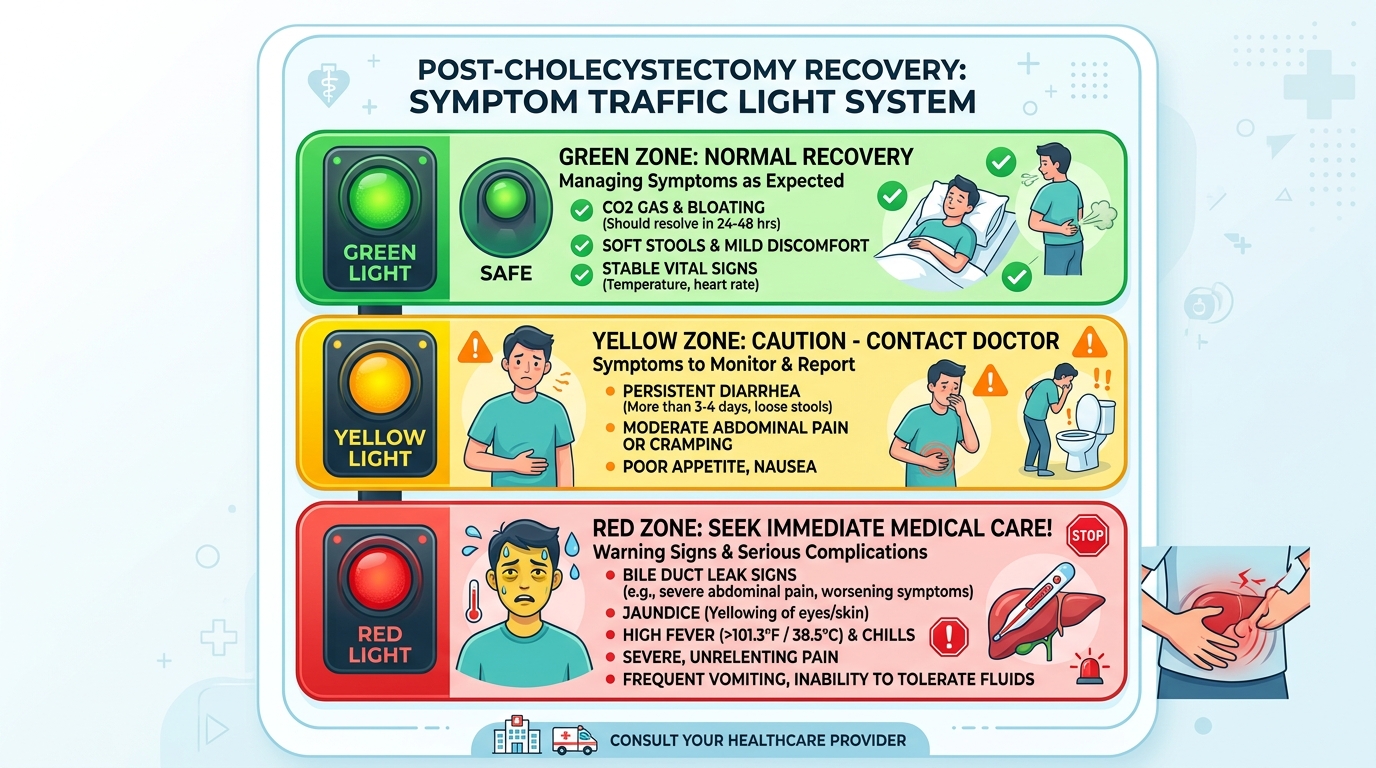
Figure 2: Clinical Symptom Traffic Light: Green Light (Safe Healing), Yellow Light (Caution & Monitor), and Red Light (Immediate Medical Attention for Bile Duct Leaks).
Peer-Reviewed Scientific References & Clinical Guidelines
- Society of American Gastrointestinal and Endoscopic Surgeons (SAGES). (2010). Guidelines for the clinical application of laparoscopic biliary tract surgery. Surgical Endoscopy, 24(10), 2368–2386. [PubMed PMID: 20706739].
- Alexander, J. I. (1997). Pain after laparoscopy. British Journal of Anaesthesia, 79(3), 369–378. [PubMed PMID: 9449557].
- Sciarretta, G., et al. (1992). Post-cholecystectomy diarrhea: investigated by 75SeHCAT. The American Journal of Gastroenterology, 87(4), 452–454. [PubMed PMID: 1381148].
- Donatsky, A. M., et al. (2014). Surgical techniques to minimize shoulder pain after laparoscopic cholecystectomy: a systematic review. Surgical Endoscopy, 28(12), 3245–3260. [PubMed PMID: 25157147].
- Overby, D. W., et al. (2010). SAGES guidelines for the clinical application of laparoscopic biliary tract surgery. Surg Endosc, 24(10), 2368–2386. [PubMed PMID: 20706739].
- Sauter, G. H., et al. (2002). Bile acid malabsorption as a cause of chronic diarrhea: diagnostic value of 75SeHCAT. Digestive Diseases and Sciences, 47(3), 606–611. [PubMed PMID: 11911348].
- Strasberg, S. M. (2005). Biliary injury in laparoscopic cholecystectomy. Annals of Surgery, 241(6), 927–933. [PubMed PMID: 15912042].
- Phelps, P., et al. (2014). Postcholecystectomy chronic diarrhea: diagnosis and management. Annals of Gastroenterology, 27(4), 332–339. [PubMed PMID: 25488448].
- American College of Gastroenterology (ACG). (2016). Guidelines for the Management of Chronic Diarrhea. The American Journal of Gastroenterology, 111(5), 602–622. [PubMed PMID: 27095420].
- European Association for Endoscopic Surgery (EAES). (2013). Consensus development conference on the management of acute cholecystitis. Surgical Endoscopy, 27(4), 1021–1039. [PubMed PMID: 23436087].
- Connor, S., & Garden, O. J. (2006). Bile duct injury in the era of laparoscopic cholecystectomy. British Journal of Surgery, 93(2), 158–168. [PubMed PMID: 16432812].
- National Institutes of Health (NIH). (2021). Gallbladder Removal: Postoperative Living and Digestive Adaptation. National Institute of Diabetes and Digestive and Kidney Diseases. NIH Publication No. 20-DK-8911.
- Centers for Disease Control and Prevention (CDC). (2017). Guideline for Prevention of Surgical Site Infection. JAMA Surgery, 152(8), 784–791. [PubMed PMID: 28467526].
- Jorgensen, J. O., et al. (2001). Postcholecystectomy symptoms: a prospective study. Australian and New Zealand Journal of Surgery, 71(4), 221–225. [PubMed PMID: 11355731].